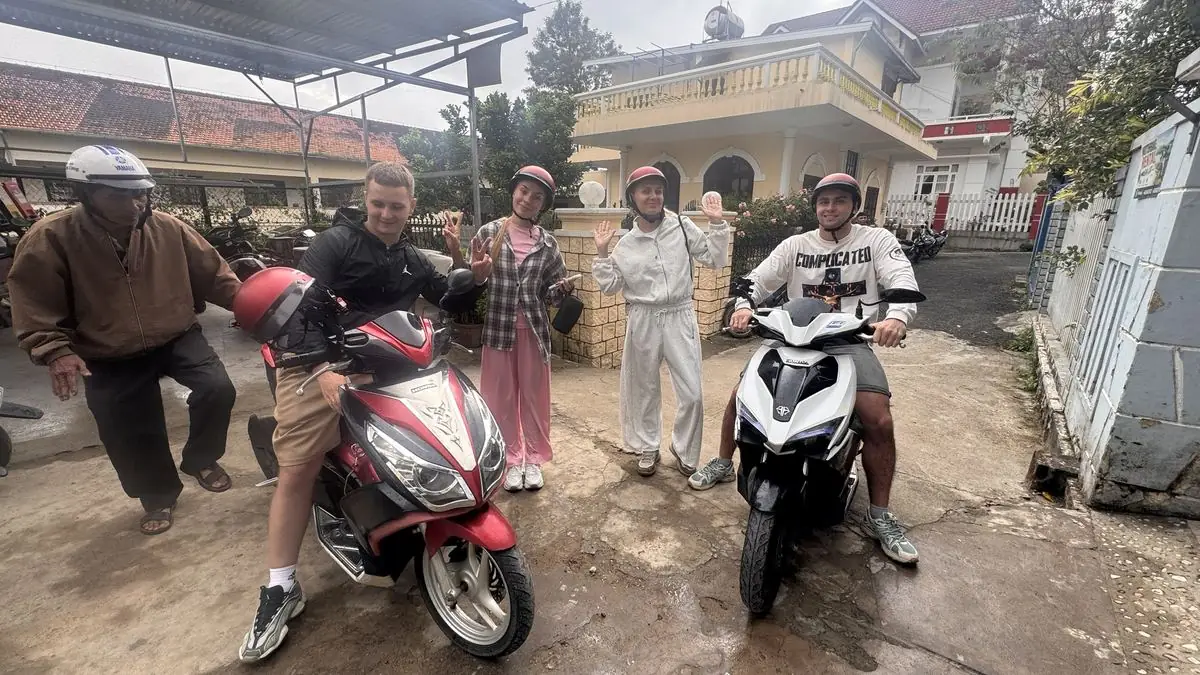
Who the K'Ho are
The K'Ho are one of the indigenous peoples of the Central Highlands and the largest native group in Lam Dong province. They have their own language and a matrilineal tradition, in which family names and property often pass through the mother's side. The Lạch, one K'Ho group, lived in the valley where Da Lat now stands — the city's name is usually explained as "Đạ Lạch", the stream of the Lạch people. Our short history of Da Lat tells more of that story.
Where the villages are
Lac Duong lies about 12 km north of central Da Lat, on the road to Lang Biang. The ride takes around 25–30 minutes past flower greenhouses and pine hills. Around Lac Duong you will find small K'Ho neighbourhoods and hamlets with wooden and brick houses, vegetable gardens and coffee bushes on the slopes. Many K'Ho families are Christian, so churches are a common sight. Further out, the roads towards Dankia Lake and the Bidoup – Nui Ba area pass more farming villages.
What you can see
- Brocade weaving (thổ cẩm): K'Ho women weave colourful cloth on traditional back-strap looms. Some households sell scarves, bags and wall hangings directly — buying from the weaver is the best souvenir you can take home.
- Gong culture: gongs play a central role in K'Ho ceremonies. The Space of Gong Culture of the Central Highlands is recognised by UNESCO. Performances for visitors are sometimes organised near the foot of Lang Biang — ask locally rather than expecting one.
- Coffee and farms: arabica is grown on the plateau, and many families have their own plots. Our guide to coffee farms around Da Lat explains the harvest season and farm visits.
- Everyday life: markets, children on bicycles, gardens and Sunday church services — the real reason to come.
How to visit respectfully
- Ask before photos. Smile, show your camera and wait for a nod. Never photograph children without a parent's permission.
- Stay on public roads. Gardens and fields are private; don't walk into a yard or a coffee plot without being invited.
- Don't hand out sweets or money to children. If you want to help, buy handicrafts or produce at a fair price.
- Dress modestly and be quiet near churches, especially during services.
- Go slowly. Village roads are narrow, with children, dogs and farm trucks. A friendly greeting — "xin chào" — goes a long way.
- Prefer a local guide if you want to enter homes or learn about traditions in depth; it also brings income to the community.
Combine it with nearby sights
A half-day north of the city fits the villages together with Lang Biang (see our Lang Biang guide), or with Dankia Lake and Golden Stream. In November and December the hills around Lac Duong are also good for pink grass. Start in the morning, when the light is soft and the air is fresh, and be back before the afternoon showers in the rainy season. More loops are on our motorbike routes page.
Which bike to take
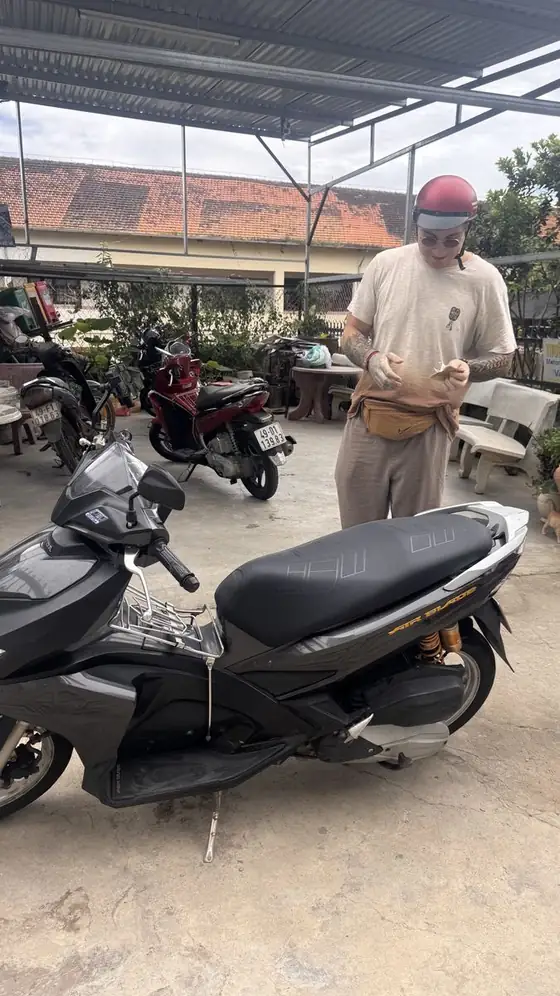
The road north has some long climbs, so we suggest the Honda Air Blade 125cc, especially for two people. Electric scooters are best kept for the city — Lang Biang is one of the steep areas we ask electric riders to avoid. Gas scooters come with 1 liter of fuel; fill up in the city before you go.
Rent your scooter at Văn Phú
Every bike at Văn Phú is 150,000 VND per day, with a free helmet, a phone holder and no cash deposit — just your passport or ID card. Our shop opens at 4:30, so an early start north is easy. No alcohol when riding, and strictly follow Vietnamese traffic law. Book on our Da Lat motorbike rental page.

Written by Ngô Văn Phú (Phu) – owner of Van Phu Dalat, local travel services in Da Lat since 2018: motorbike rental, homestay and villa booking. About me →
Questions about Da Lat?
We'll help with routes, weather and booking a bike — just message us on WhatsApp.
Message on WhatsAppMotorbike rental in Da Lat
Honda Vision, Honda Air Blade 125cc and electric scooters — 150,000 VND per day, no cash deposit, helmet included, hotel delivery for 2+ days.